
I Eat So Little, But My Belly Still Won't Go Away
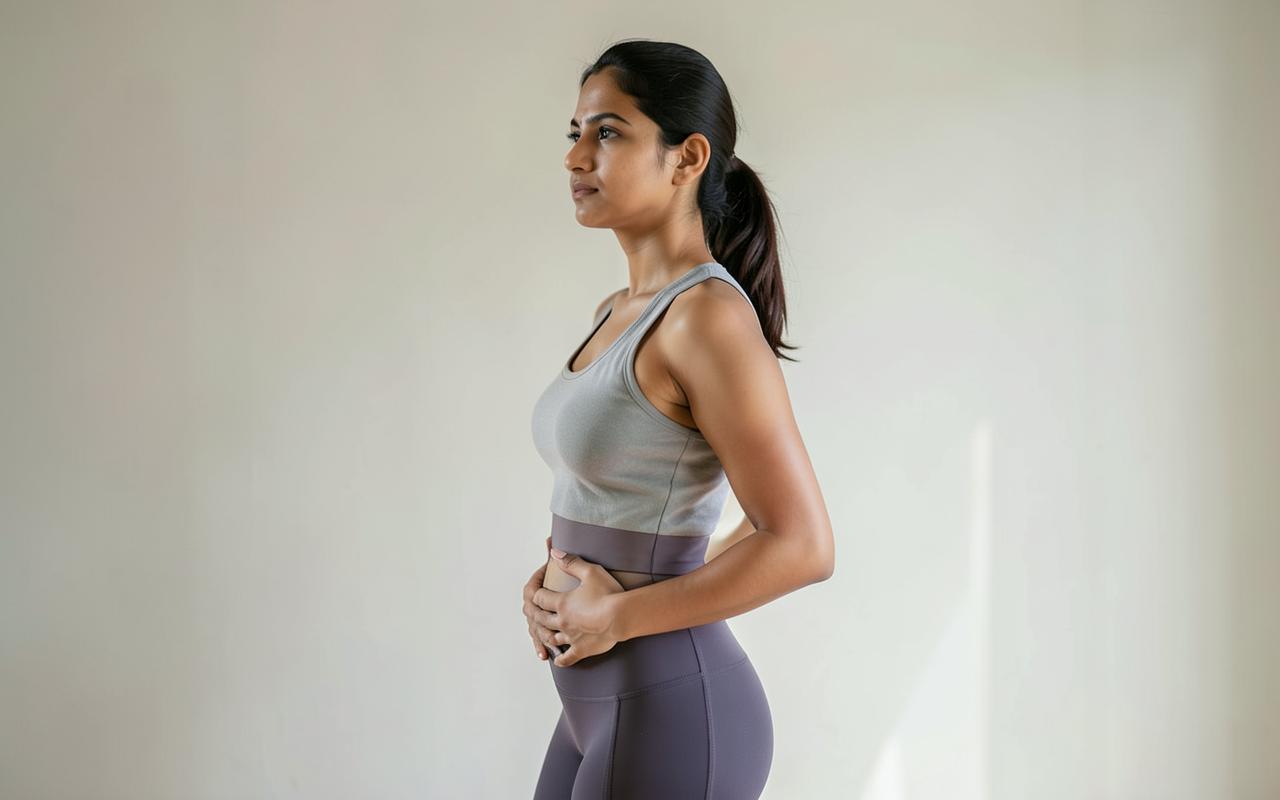
"I barely eat. My portions are so small. But look at my stomach." This is one of those sentences that usually comes with a slightly defeated look.
Because you've already tried the obvious things. Less rice. Less roti. Less dinner. Maybe even skipping meals. And yet the belly is still there. Sometimes it even feels hard, tight or swollen. So naturally you think: "I need to eat even less."
Before you do that, let's talk about something much more important. Is that really just belly fat?
Your Belly Isn't Just One Thing
When you look at your stomach in the mirror, you see one area. Your body doesn't. That area can include:
- subcutaneous fat — the fat just under the skin
- visceral fat — fat stored deeper around internal organs
- muscle
- organs
- food and fluid
- sometimes gas or stool sitting in the digestive tract
So a bigger or harder-looking belly doesn't automatically mean "I have too much belly fat." Abdominal bloating and visible distension can have many causes, including constipation, food intolerances, digestive disorders and other gastrointestinal problems.
Here's Something I See Quite Often
Someone is eating very small portions… but those portions aren't particularly nutritious. Breakfast: tea + biscuits. Lunch: one roti + a little sabzi. Evening: tea. Dinner: a very small portion of whatever is available.
And they feel proud because "see? I hardly eat." But your body isn't giving you a gold medal for eating the smallest possible plate. 😂 The question isn't only how much you eat. It's what you're getting from the food you eat.
Your Body Needs Building Material Too
Imagine you're renovating a house and you decide to save money by buying fewer materials. Great. But if you remove the cement, steel and wiring from the shopping list, you don't get a better house. You get a badly built house.
Your body needs adequate protein, fibre, vitamins, minerals, essential fats and energy to function properly. So if you've spent months trying to lose weight by simply making every meal smaller, it's worth asking: am I actually nourishing myself?
And Then There's Protein
This is where I want you to stop thinking "how many calories can I remove?" and start thinking "what can I improve?" If your meals are tiny, make them count.
Instead of a breakfast that is basically tea and biscuits, could you include eggs? Curd? Hung curd? Paneer? Or another protein-rich option that works for you? At lunch: where's the protein? At dinner: where's the protein? You don't need a giant plate. You need a better plate. And no, this doesn't mean you need to carry a protein shaker to your family wedding. 😂
What About The "Hard Belly"?
If your abdomen feels tight, swollen or unusually distended — especially if it changes noticeably through the day — it may not simply be body fat. Bloating and abdominal distension can be associated with constipation, excess gas, food intolerances, IBS, functional digestive disorders and other gastrointestinal conditions.
Constipation in particular can be associated with bloating and abdominal discomfort, and inadequate fibre, fluids and physical activity can all contribute. So before declaring "this is stubborn belly fat," check what's happening with your digestion too.
A Simple Clue: Does Your Belly Change During the Day?
This isn't a diagnosis, but notice the pattern. Morning: "my stomach looks relatively normal." Evening: "why do I look six months pregnant?"
If your abdominal size changes dramatically over the course of a day, that's worth discussing as bloating and distension rather than assuming it's newly accumulated fat. Fat doesn't usually appear dramatically between breakfast and dinner. Your digestive system, however, is doing things all day.
And Please Don't Try To "Spot Reduce" It
100 crunches = flat stomach. No. 😂 You can strengthen your abdominal muscles. You can improve your overall fitness. You can reduce overall body fat with an appropriate nutrition and activity plan. But you cannot tell your body "excuse me, please remove fat only from this 3-inch section." Unfortunately, your body does not accept local delivery instructions.
So What Should You Actually Do?
1. Upgrade your meals instead of shrinking them further
For the next week, focus on protein + vegetables/fruit + appropriate carbohydrates + healthy fats rather than simply making every portion smaller. Pay particular attention to getting enough protein and fibre. If you're currently eating very little, this matters even more.
2. Get your digestion moving
Regular movement helps — walking after meals is a simple place to start. Stay adequately hydrated. Add fibre-rich foods gradually and consistently if your diet is currently low in fibre. And don't ignore persistent constipation. Low fibre, inadequate fluids and lack of exercise can all contribute, while persistent symptoms — or symptoms with bleeding, ongoing abdominal pain or unintentional weight loss — warrant medical attention.
The ONYOMARK Take
If you're eating tiny portions and your response to a stubborn belly has been "okay, I'll eat even less" — stop there. Your body isn't asking for punishment. It may need better nutrition, more protein, more fibre, more movement, better digestion, or simply time and consistency for overall fat loss.
And sometimes that hard or constantly swollen belly isn't just fat at all. Don't keep reducing the food before you understand the problem. Because the goal isn't to become smaller at any cost. The goal is to become healthier while gradually changing your body composition. And yes… that usually takes longer than Instagram promised you. 😂
Research Referred
- 1.Mayo Clinic. (2024). Chronic Abdominal Bloating and Distension: Causes and Evaluation.
- 2.Mayo Clinic. (2023). Constipation — Symptoms and Causes.
- 3.Mayo Clinic. (2023). Gas and Gas Pains.
- 4.Lacy BE, Cangemi D, Vazquez-Roque M. (2021). Management of Chronic Abdominal Distension and Bloating. Clinical Gastroenterology and Hepatology.
Questions? Ask Away –
Reading is a great first step. Applying it consistently is where most people struggle. If you'd like personal guidance, send me a WhatsApp message and let's see if ONYOMARK coaching is the right fit for you.
Chat on WhatsAppYou Might Also Like