
I Barely Eat. Why Am I Still Not Losing Weight?
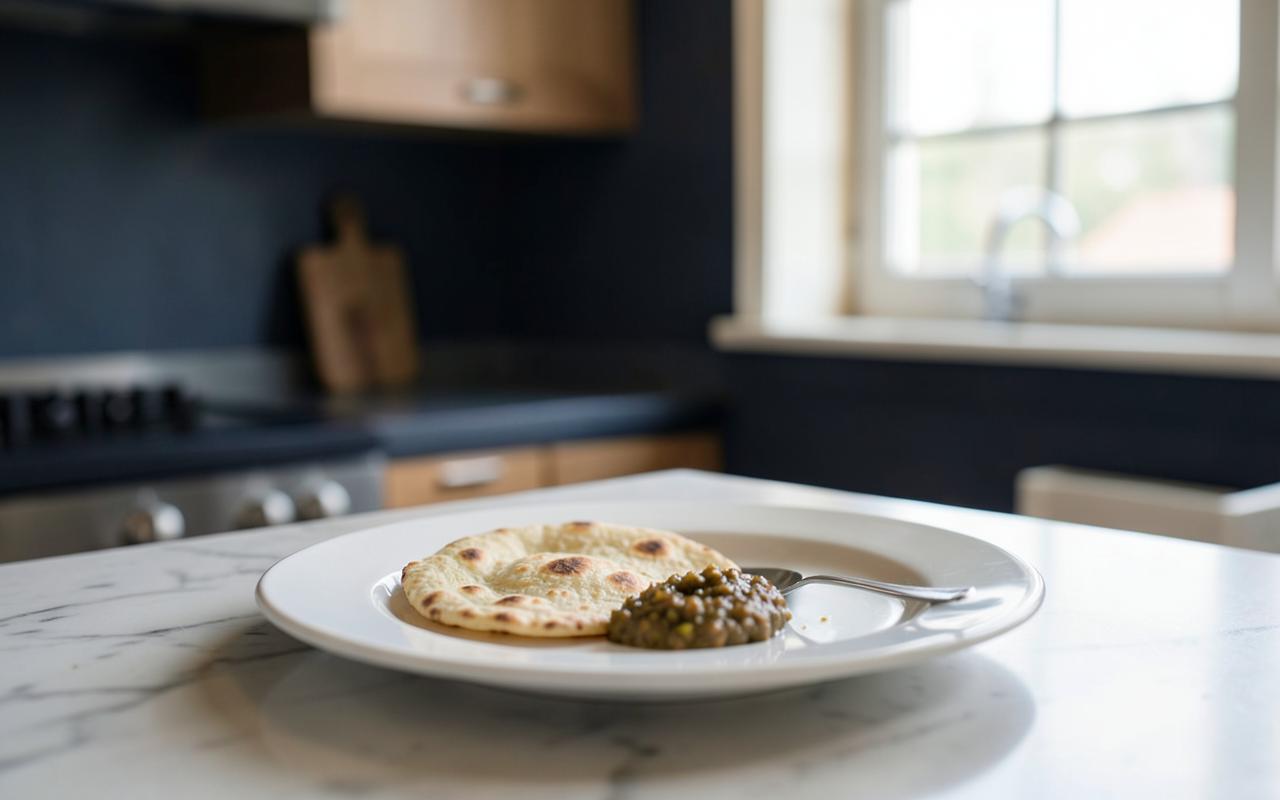
"I hardly eat anything. I've already reduced my portions so much. Why am I still not losing weight?" If you've ever tried to lose weight, you've probably had this thought.
You remove rice. Then reduce roti. Then skip breakfast. Then dinner becomes a bowl of something tiny. And when the scale still refuses to cooperate, you think: "Fine. I'll eat even less."
Please don't make that your next step. Because eating less and losing fat are not the same thing as eating as little as possible.
The Goal Isn't To See How Little You Can Survive On
Your body needs energy for much more than exercise. You need energy to:
- keep your heart beating
- breathe
- maintain body temperature
- digest food
- move around
- think and work
- recover
- maintain muscle
- get through your everyday activities
And your calorie needs aren't identical to your friend's, your partner's, or the person whose diet you copied from Instagram. They depend on things like body size, age, sex, activity and individual metabolism.
So when someone says, "I'm eating only 900 calories, why am I not losing weight?" the answer isn't automatically "try 700." That's not a fat-loss strategy. That's a race to the bottom.
What Happens When You Keep Cutting?
Your body isn't a calculator that keeps burning exactly the same amount of energy regardless of what you do. As people lose weight and eat less, energy needs can change. Activity often drops too, because you're more tired, and the body can adapt in ways that make continued weight loss harder.
You might notice the chain: less energy → less movement → poorer workouts → more fatigue → harder adherence. And suddenly you're spending your entire day thinking about food while trying to follow a diet you already hate. That's not what we mean by sustainable weight loss.
"But Don't I Need a Calorie Deficit?"
Yes. A calorie deficit is part of weight loss. But there's a huge difference between creating an appropriate calorie deficit and trying to eat as little as humanly possible.
A good weight-loss plan should give you enough nutrition to function and enough structure that you can actually follow it for months — not just survive it for 10 days. That's why evidence-based weight-management guidance focuses on a reduced-calorie eating pattern alongside healthy eating, physical activity and habits you can maintain long term, rather than crash diets.
Here's Where Many People Go Wrong
They think: "If 3 rotis aren't working, I'll eat 2." Then: "If 2 aren't working, I'll eat 1." But they never ask: what are those rotis being eaten with?
- Where is the protein?
- Where are the vegetables?
- Where is the fibre?
- What are you drinking?
- How much are you moving?
- How are you sleeping?
- How consistent are you actually being?
Fat loss is not just a portion-size problem. Your entire lifestyle matters.
Please Don't Confuse "Small" With "Healthy"
A tiny plate can still be nutritionally poor. Tea + biscuits + a tiny dinner may look like very little food, but it doesn't necessarily give you the protein, fibre and micronutrients your body needs.
Compare that with a smaller but more balanced meal containing protein + vegetables + a sensible carbohydrate source + some healthy fat. The second meal may look more substantial. That's not a failure. That's nutrition. The CDC also recommends reducing calories while maintaining adequate nutrient intake — not simply making the diet less nutritious.
So What Should You Actually Do?
1. Stop shrinking your portions every time the scale doesn't move
Give your current routine enough time to evaluate the trend. And look at the whole picture: food + protein + movement + sleep + consistency. Not just today's calorie number.
2. Make your meals more nutritious before making them smaller
Start with one simple question at every major meal: "Where's my protein?" Then add vegetables and fibre and an appropriate carbohydrate source for your needs. You don't need to redesign your diet tomorrow. Start with one better meal. Then another. Then another. That's how a diet becomes a lifestyle.
One More Thing: Be Patient
Your body doesn't owe you a kilogram every seven days. Weight loss isn't perfectly linear. Water, digestion, hormones, sodium and changes in activity can move the scale even when body fat is changing.
So don't respond to every disappointing weigh-in by removing another food. Give good habits time to work. And please don't compare your progress with "my cousin lost 5 kg in one month." Good for your cousin. 😂 Your body isn't your cousin's body.
The ONYOMARK Take
If your fat-loss strategy has become "eat less", then "eat even less", then "maybe I should stop eating dinner" — stop.
The goal of weight loss isn't to discover the smallest amount of food you can tolerate. It's to create a realistic calorie deficit while still nourishing your body, moving regularly and building habits you can maintain. Because the best fat-loss plan isn't the one that makes you lose weight fastest. It's the one you can still follow when life stops being perfect.
And if you've genuinely been consistent — eating appropriately, moving regularly — and still see no meaningful progress over time, don't automatically make the diet smaller. That's when we start asking a different question: "Is there something else we need to understand?" That's the conversation in the next quick read.
Research Referred
- 1.National Institute of Diabetes and Digestive and Kidney Diseases (NIDDK). (2024). Choosing a Safe & Successful Weight-loss Program.
- 2.National Institute of Diabetes and Digestive and Kidney Diseases (NIDDK). (2017). Dieting & Gallstones.
- 3.National Institute of Diabetes and Digestive and Kidney Diseases (NIDDK). (2023). Factors Affecting Weight & Health.
- 4.Centers for Disease Control and Prevention (CDC). (2023). Eat More, Weigh Less?.
Questions? Ask Away –
Reading is a great first step. Applying it consistently is where most people struggle. If you'd like personal guidance, send me a WhatsApp message and let's see if ONYOMARK coaching is the right fit for you.
Chat on WhatsAppYou Might Also Like