
I Lost 1 Kg… Then Gained 500 Grams. Did I Ruin Everything?
You finally see it. −1.0 kg. You are happy. You feel lighter. You tell yourself: "Okay. This is working!"
Then Saturday happens. Dinner outside. A little dessert. Maybe some extra salt. Sunday morning: +500 grams. And suddenly your brain goes: "OH NO. I ruined everything."
Monday becomes punishment day. No breakfast. Tiny lunch. Extra cardio. No carbs. And you're already planning how to "undo" Saturday's dinner. Please stop. You probably didn't gain 500 grams of body fat overnight.
The Scale Doesn't Only Measure Fat
Your body weight changes every day: water, food sitting in your digestive system, glycogen, sodium, hormonal changes, bowel movements. All of these affect what you see on the scale.
So after a salty restaurant meal, your body may temporarily hold more water. That doesn't mean your body suddenly decided "excellent, let's store half a kilo of fat tonight." 😂 A heavier scale reading isn't automatically a fat-gain reading.
But Here's Where One Meal Can Actually Become a Problem
Not because of the meal. Because of the reaction to it. You eat pizza on Saturday, then think "I've ruined my diet." So Sunday you barely eat. By Monday you're starving. By Tuesday you're craving everything. Then you overeat. Then the guilt starts again.
And suddenly one meal has become a four-day problem. This is where all-or-nothing thinking quietly sabotages a weight-loss journey.
You Don't Need To "Earn" Your Food Either
You exercised for an hour, so you think "now I can have this." Or you ate dessert, so "tomorrow I need to burn it off." This creates a strange relationship with food where every meal becomes a transaction. Food = something to earn. Exercise = punishment. Rest = guilt.
That's exhausting. And it's certainly not the lifestyle you want to maintain after you lose the weight.
What About Stress and Weight Loss?
You may have heard "stress stops you from losing fat." It's not quite that simple. Stress isn't a magical switch that tells your body "no more fat loss allowed." But ongoing stress can affect things that do matter:
- sleep
- appetite
- food choices
- energy
- recovery
- daily movement
- how consistently you can follow your routine
And when you're constantly worrying about every kilogram, every calorie and every meal, you're adding another layer of stress to something that already requires patience. Fat loss shouldn't become a second full-time job.
And Please Don't Compare
Your friend lost 4 kg in one month. You lost 1.5 kg in six weeks. You immediately think "something is wrong with me." Maybe not. People start at different body weights, with different lifestyles, activity levels, health conditions, eating patterns, medications and genetics — and their initial weight changes may include different amounts of water loss. Your progress doesn't need to look like somebody else's to be real.
So What Should You Do After an Outside Meal?
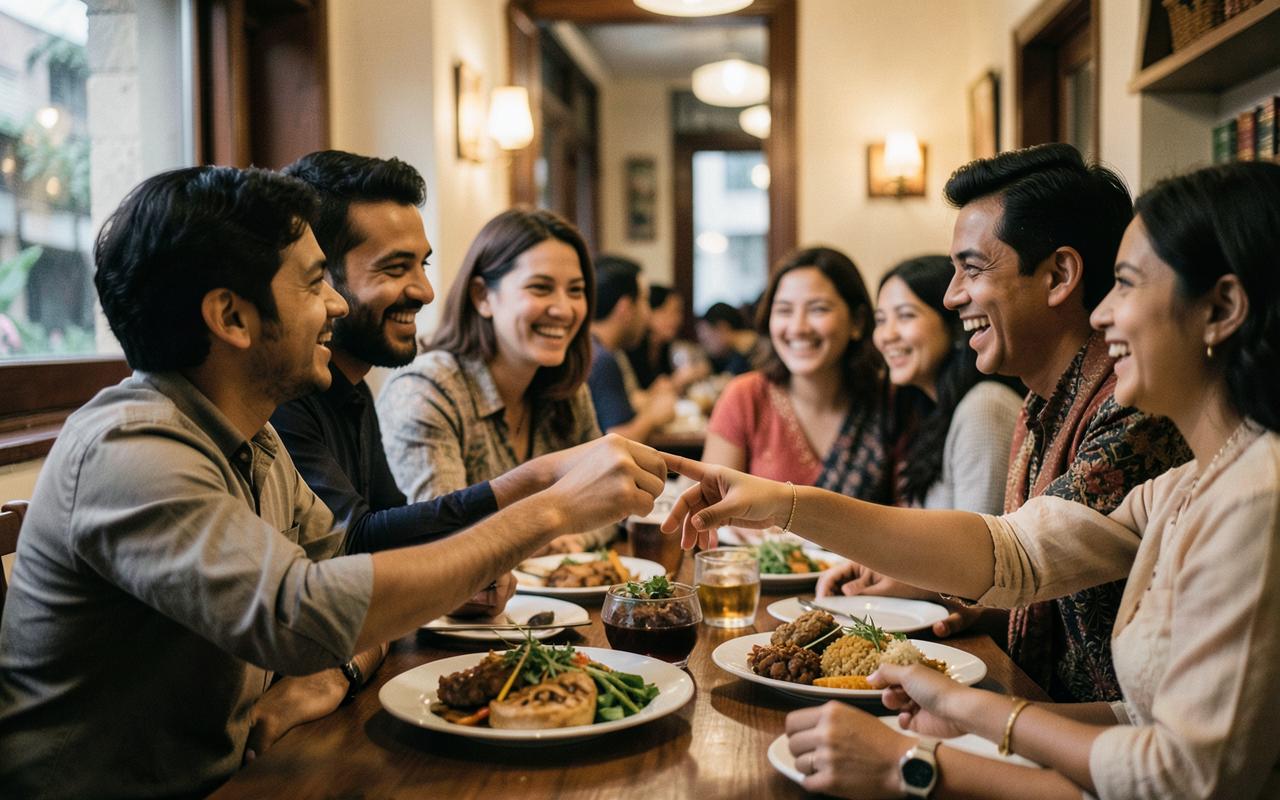
Honestly? Nothing dramatic. You had dinner. Enjoyed it? Good. Next morning: have your normal breakfast. Drink your usual water. Eat your normal meals. Go for your walk. Continue your exercise routine. That's it.
You don't need a detox, fasting as punishment, three hours of cardio, a skipped dinner or a "cheat meal recovery plan." Just return to normal.
Here's Your Two-Step Rule
1. Never make one meal into a week's problem
A birthday. A wedding. A holiday. A dinner with friends. These are part of real life. Your fat-loss plan needs to have room for real life.
2. Judge progress over weeks, not emotions over hours
Don't step on the scale after every meal and negotiate with yourself. Look at the broader trend. If your weight is gradually moving in the direction you want, your habits are working. If it isn't, then calmly investigate why. Don't let one number make you abandon a plan that's otherwise working.
Remember What You're Actually Trying To Build
You're not trying to become someone who can follow a perfect diet for 30 days. You're trying to become someone who can eat a normal meal with friends, enjoy a celebration, miss a workout occasionally, get back into routine, and keep making healthy choices without feeling like a failure. That's a much bigger achievement than losing a kilogram quickly. Because eventually the diet ends. Your lifestyle doesn't.
The ONYOMARK Take
Be patient. Don't compare. Don't panic over the scale. Don't punish yourself for eating outside. And don't turn one imperfect meal into "I've ruined everything, so I'll start again Monday."
You haven't ruined anything. You had a meal. Then you continue. Because sustainable weight loss isn't about being perfect every day. It's about being consistent enough, for long enough.
Research Referred
- 1.National Institute of Diabetes and Digestive and Kidney Diseases (NIDDK). (2024). NIH Body Weight Planner.
- 2.Centers for Disease Control and Prevention (CDC). (2023). Losing Weight.
- 3.National Institute of Diabetes and Digestive and Kidney Diseases (NIDDK). (2023). Factors Affecting Weight & Health.
- 4.American Psychological Association. (2023). Stress Effects on the Body.
Questions? Ask Away –
Reading is a great first step. Applying it consistently is where most people struggle. If you'd like personal guidance, send me a WhatsApp message and let's see if ONYOMARK coaching is the right fit for you.
Chat on WhatsAppYou Might Also Like