
Myth Buster: 12 Fitness and Fat-Loss Claims, Explained
Myth 1 — 100 Shoulder Presses Will Burn My Arm Fat?
You saw the reel. “Do this 100 times every day to lose arm fat!” So you pick up a pair of dumbbells. 10 reps. 20. 21. By rep 87, your shoulders are questioning every decision you've made in life.
😂 But you're still going because the reel promised: “Say goodbye to arm fat.” Here's the problem. Your shoulders don't get to decide where your body loses fat.
Let's Understand What You're Actually Doing
A shoulder press is a perfectly good exercise. It trains your shoulders and helps build muscular strength. And resistance training absolutely has a place in a fat-loss journey.
It can help improve body composition and preserve lean mass while you're losing weight. But doing 100 shoulder presses doesn't send a WhatsApp message to your body saying: “Dear body, please take today's fat from the upper arms only.”
Unfortunately, your body doesn't work on that kind of location service. 😂 That's the problem with spot reduction. Spot reduction is the idea that exercising a particular body part will make you lose fat specifically from that area.
Arm exercise → arm fat disappears. Crunches → belly fat disappears. Side bends → love handles disappear. Squats → thigh fat disappears. It sounds logical. But fat loss doesn't follow exercise geography.
Then Why Does Your Arm Change With Training?
Because muscle and fat are two different things. When you train your shoulders or arms, you're working the muscles underneath the fat. Over time, resistance training can make those muscles stronger and contribute to better body composition.
But if your goal is fat loss, the bigger conversation needs to be about your overall eating pattern—not just the exercise you're doing for one body part.
A healthy weight-loss plan generally combines a sustainable eating plan with physical activity, rather than relying on one exercise to remove fat from one location. So if your goal is: “I want to reduce my arm fat.”
Don't translate that into: “I need 500 arm exercises.” Translate it into: “I need a sustainable meal plan that supports fat loss, along with appropriate full-body exercise.” Much better plan.
And This Is Where Meal Planning Matters
Let's say you're doing those 100 shoulder presses every morning.
But your day looks like this: Breakfast: tea + biscuits Lunch: whatever you can grab at work Evening: packaged snack + sugary drink Dinner: huge meal because you're starving And then you think: “But I exercised! Why am I not losing arm fat?”
Because one workout doesn't cancel out the rest of your lifestyle. 😂 If fat loss is your goal, start paying attention to the meals you're actually going to eat throughout the day. Ask yourself: Where is my protein? Where are my vegetables and fibre?
What am I drinking? Are my portions appropriate? What am I likely to eat when I'm busy? That's why meal planning can be so useful. Not because you need to eat boring food from identical containers for the rest of your life.
But because deciding what you'll eat before you're extremely hungry makes it easier to follow a consistent eating pattern.
NIDDK recommends a healthy eating plan that can be maintained over time, with nutritious foods including vegetables, fruits, whole grains and protein foods, alongside regular physical activity.
And No, 100 Reps Isn't a Magic Number
This is another Instagram favourite: 15 reps = toning 50 reps = fat burning 100 reps = bye-bye arm fat No. 😂 There isn't a magical repetition number at which your arm fat receives its eviction notice.
Higher repetitions can absolutely have a place in training. So can lower or moderate repetitions. The right exercise program depends on your goal, fitness level, ability and progression. Train the muscle properly.
Don't punish it with endless repetitions because someone promised you a smaller arm.
So What Should You Actually Do?
1. Plan your meals before you start chasing more workouts. For the next few days, simply decide: What am I eating for breakfast? What is my protein source at lunch? What will I eat when I get hungry in the evening? What's dinner going to look like?
Build meals around nutritious foods and portions that fit your individual needs. You don't need to completely change your diet overnight. Make the better choice easier to repeat.
2. Keep the shoulder workout—but give it the correct job. Train your shoulders because you want: strength muscle better function fitness Not because you expect the exercise to selectively burn shoulder fat.
Let your overall nutrition and lifestyle support fat loss. Let your training build a stronger body. Both matter. They just have different jobs.
The ONYOMARK Take
There's nothing wrong with wanting to reduce arm fat. There's nothing wrong with wanting a smaller waist, leaner thighs or a flatter stomach either. The problem is believing that one exercise can tell your body exactly where to remove fat.
And when fat loss is your goal, don't let the workout become the entire strategy. Plan your meals. Eat appropriately. Include enough protein and nutritious whole foods. Move regularly. Strength train. Be patient. And give your body time to change.
Because your body may be many things… but it isn't an Instagram reel. It doesn't come with a “burn fat here” button. 😂
Research & Further Reading
Myth 2 — Can Side Bends or Russian Twists Get Rid of Love Handles?
You want to lose your love handles. So naturally, Instagram gives you a solution: “Do 100 side bends every day.” Or: “Try these Russian twists to burn your side fat.” You grab a dumbbell. Side bend. Side bend. Russian twist. Russian twist.
By rep 76, your obliques are on fire. You look in the mirror. The love handles are still there. So you do another 50. Because surely more burn = more fat loss. Right? Not quite.
Your Obliques Are Working. Your Love Handles Aren't Getting the Memo
Side bends and Russian twists can challenge your oblique muscles, which are part of your core. That's useful. A stronger core can support movement, stability and athletic performance.
But strengthening the muscles underneath your love handles doesn't mean your body will selectively take stored fat from that exact area. That's the idea behind spot reduction.
And despite how convincing those reels look, you can't reliably choose where your body loses stored fat simply by exercising that body part. Research on localized resistance training has not shown a simple “train here, lose fat here” effect.
(pubmed.ncbi.nlm.nih.gov)
So What Are "Love Handles"?
Usually, when people say love handles, they're talking about the fat stored around the sides of the waist and hips.
How much fat you store there—and how quickly it changes—is influenced by things including genetics, sex, age, hormones and overall body-fat levels. Some people lose fat from their face first. Others notice their waist changing first.
Someone else may lose fat from their arms before their stomach or hips. You don't get to choose the order. And unfortunately, your body doesn't have a customer-service department where you can complain: “I've been doing Russian twists for three weeks.
Why haven't you processed my waist-fat removal request?” 😂
But I Feel My Sides Burning!
Exactly. That's because your muscles are working. That burning sensation can make it feel like something dramatic is happening to the fat sitting above those muscles. But muscle fatigue is not the same thing as local fat loss.
You can have an intense abdominal workout and still not see a measurable reduction in abdominal fat from that specific workout. This is why the feeling of: “My abs are burning!” shouldn't be interpreted as: “My belly fat is melting!”
So Should You Stop Doing Russian Twists?
No. That's not the message. If Russian twists, side bends or other core exercises are appropriate for you, they can absolutely be part of your training. Just give the exercise the right job. Core exercises → train your core.
Resistance training → build strength and muscle. Cardio → improve cardiovascular fitness and increase energy expenditure. Meal planning → helps you consistently manage your overall food intake.
And when fat loss is your goal, that bigger picture matters far more than finding the perfect “love-handle exercise.”
This Is Where Your Meals Come In
Let's say you're doing 100 Russian twists every morning.
But your eating routine looks like: Breakfast: skipped Lunch: whatever is available Evening: hungry + biscuits + sugary coffee Dinner: huge meal because you're starving Then you spend another 20 minutes twisting your torso and wonder why your waist isn't changing.
😂 Instead of asking: “Which exercise burns love handles?” start asking: “What does my entire day of eating look like?” That's a much more useful question.
Start Planning Your Meals
You don't need a miserable diet. You need a repeatable eating routine. Before your day gets chaotic, know roughly: What am I having for breakfast? Where is my protein at lunch? What will I eat when I get hungry in the evening? What's dinner going to look like?
Build meals around nutritious foods, appropriate portions and adequate protein and fibre according to your individual needs. The goal isn't to eat as little as possible. The goal is to make your normal food choices work for your fat-loss goal.
A sustainable eating pattern, combined with regular physical activity, is the foundation of healthy weight management. (niddk.nih.gov)
And Please Don't Measure Success Only by Your Waist
If you've started exercising and improving your meals, look for changes beyond: “Can I see my side abs yet?” Are you stronger? Can you walk more? Are your clothes fitting differently? Is your waist measurement changing over time?
Are your meals more consistent? Is your energy better? These are signs of progress too. Body composition changes take time.
What Should You Actually Do?
1. Keep your core training—but stop expecting it to burn love handles. Train your core because you want a stronger, more capable body. Don't chase hundreds of repetitions simply because an influencer promised targeted fat loss. 2.
Put more thought into your weekly meal planning. Plan your main meals. Have sensible protein sources available. Keep nutritious snacks accessible. Reduce the number of decisions you have to make when you're already hungry.
Then combine that with regular movement and appropriate resistance/cardio training.
The ONYOMARK Take
If you want to reduce love handles, you don't need to declare war on your obliques. You don't need: 500 side bends 300 Russian twists a waist trainer or a mysterious “side-fat burner” workout. 😂 Train your core. Plan your meals. Move regularly.
Create a sustainable approach to fat loss. And give your body time. Your workout can strengthen the area. Your overall fat-loss plan changes body fat. So the next time someone says: “Do this one exercise to lose your love handles.”
You can smile and ask: “Great. What does the rest of the plan look like?” Because that's the part the 30-second reel usually forgot to show you.
Research & Further Reading
Myth 3 — 100 Crunches a Day Will Give You a Flat Belly?
“Want to lose belly fat? Do 100 crunches every day.” You've probably seen some version of this. And honestly, it sounds believable. Your abs are burning. You're sweating. Your stomach feels tight. So surely the belly fat must be disappearing? Not necessarily.
Your abs are working. That doesn't mean the fat sitting over them is being selectively burned.
Your Abs Are Not a Fat-Removal Machine
Crunches are an abdominal exercise. They can strengthen and condition your abdominal muscles. That's useful.
But belly fat is stored body fat, and doing an exercise for the muscles underneath it doesn't tell your body: “Please use the fat directly above these muscles.” If only it were that easy. 😂 Do 100 crunches → flat stomach. Do another 100 → six-pack.
Do 500 → suddenly ready for the cover of Men's Health. Unfortunately, biology did not approve this business model.
But Why Does My Stomach Feel Tighter After Crunches?
Because you've just worked your abdominal muscles. They can feel fatigued and temporarily tighter. But that sensation isn't proof that you've lost belly fat. This is one of the biggest problems with spot reduction claims.
The exercise may be doing exactly what it's supposed to do—strengthening the muscle—while the influencer is giving it a completely different job: “Burn your belly fat.” Those aren't the same thing.
Research examining localized exercise has not found reliable evidence that training a particular body region causes meaningful fat loss specifically from that region.
So Should You Stop Doing Crunches?
No. Please don't misunderstand the message. Crunches can be a perfectly reasonable part of an exercise program if they're appropriate for you. Your core matters. A strong core can support movement, stability and performance.
Just don't confuse training your abs with losing belly fat. You can build stronger abdominal muscles and still have body fat covering them. That's completely normal. And your six-pack isn't a health certificate either.
Here's Where Your Fat-Loss Plan Actually Matters
If your goal is to reduce overall body fat, don't spend all your energy searching for the perfect belly exercise. Look at the bigger picture. Start with your meals. Instead of asking: “Which exercise burns belly fat?”
ask: “What am I eating consistently throughout the week?” Are your meals reasonably planned? Are you getting enough protein? Are you including vegetables, fruit and other fibre-rich foods? Are your portions appropriate for your needs?
How often are sugary drinks, highly processed snacks and unplanned eating showing up? Because when you're trying to lose fat, your overall eating pattern matters.
A sustainable weight-loss approach generally combines an appropriate eating plan with regular physical activity rather than relying on one exercise to target one body part.
And Don't Forget Your Daily Movement
You don't have to turn every day into an abdominal boot camp. Walk. Take the stairs. Exercise regularly. Strength train your whole body. Play a sport. Do activities you can actually continue. Fitness isn't just what happens during your 45-minute workout.
It's also what you do with the other 23 hours and 15 minutes of your day.
One More Thing: Is It Really Belly Fat?
This is especially important. Sometimes people say: “My belly is huge. I need to lose belly fat.” But abdominal appearance can also be affected by bloating, constipation, food volume, posture and other digestive factors.
If your stomach changes dramatically throughout the day, feels persistently swollen or is accompanied by concerning symptoms, don't automatically assume it's simply body fat.
That's a different conversation—and sometimes one worth having with a healthcare professional.
What Should You Actually Do?
1. Keep your core exercises—but give them the correct job. Do crunches, planks or other appropriate core exercises to develop your core. Don't count repetitions as “belly-fat calories.” 2. Plan your meals for the goal you're trying to achieve.
Think about your entire day and week—not just the 10 minutes you spend doing crunches. Build meals around nutritious foods and appropriate portions. Include adequate protein and fibre.
Then combine your eating routine with regular movement and resistance training.
The ONYOMARK Take
Want stronger abs? Train your abs. Want better fitness? Exercise. Want to reduce excess body fat? Work on your overall nutrition and lifestyle. Don't make one exercise responsible for all three.
And please don't let a reel convince you that 100 crunches is the price of admission to a flat stomach. Your abs aren't failing. Your workout isn't necessarily failing. The promise was wrong.
Because there is no exercise that lets you choose: “Today, please burn fat from my stomach.” Your body decides where it takes stored fat from. Your job is to build the habits that help your whole body become healthier. And yes, you can still do your crunches.
Just stop expecting them to negotiate directly with your belly fat. 😂
Research & Further Reading
Myth 4 — Can Squats Actually Burn Thigh Fat?
“Want slimmer thighs? Do 100 squats every day.” You've seen it. Maybe you've even tried it. Day 1: 50 squats. Day 2: 100 squats. Day 3: You discover that sitting on the toilet is now an advanced fitness exercise. 😂 And then you look at your thighs.
Still there. So naturally, you think: “Maybe I just need to do more squats.” Not quite.
Squats Are Great. The Promise Is the Problem
Let's get one thing straight: Squats are a fantastic exercise. They train your lower body, including your quadriceps and glutes, and can help improve strength, movement and physical function.
But doing squats doesn't tell your body: “Please remove the fat from my thighs first.” That's spot reduction. And that's where many social-media fitness claims go wrong. You can strengthen a particular area without selectively losing the fat stored over it.
Research on localized exercise doesn't support the simple idea that repeatedly training one body part reliably causes fat loss specifically from that area.
So Why Do Some People's Thighs Look Smaller After They Start Training?
Because body composition can change. If someone is gradually losing overall body fat while maintaining or building muscle, their thighs may become smaller, firmer or more defined over time. But that doesn't mean: “Squats burned the thigh fat.”
It means their overall body composition changed. And where you lose fat first? That's partly individual. Some people notice changes around their face. Others around their waist. Others notice their clothes fitting differently before the scale changes much.
You don't get to choose the order.
And Here's Another Instagram Trap:
“Do this 10-minute inner-thigh workout.” “Burn outer-thigh fat.” “Get slim thighs without diet.” It sounds wonderfully specific. But your body doesn't divide its fat stores according to your workout playlist.
😂 There isn't a separate exercise for: front-thigh fat inner-thigh fat outer-thigh fat back-thigh fat and that-one-annoying-area-that-only-shows-up-when-you-wear-jeans.
What If You Do 200 Squats?
You can absolutely make the workout harder. But more repetitions aren't automatically better fat loss. Eventually, you're simply accumulating more fatigue. If your goal is strength, your training should be appropriately progressed.
If your goal is cardiovascular fitness, there are better ways to train that system. And if your goal is fat loss, don't turn your entire strategy into: “How many squats can I survive today?”
Look at Your Meals Too
This is the part that gets left out of most “lose thigh fat” reels. If fat loss is your goal, your overall eating pattern matters. Ask yourself: Are my meals planned? Am I getting enough protein? Are my portions appropriate?
Am I eating enough fibre-rich foods? How often am I drinking calories or eating highly processed snacks? Do I have a plan for busy workdays? Because it's much easier to follow a fat-loss routine when you already know what you're going to eat.
You don't need to starve yourself. You don't need to eliminate rice forever. You don't need to survive on salad. You need an eating pattern you can actually repeat.
A sustainable weight-management approach combines an appropriate eating plan with regular physical activity.
So Keep the Squats
Just change the reason you're doing them. Squat because you want stronger legs. Squat because you want stronger glutes. Squat because you want to get better at getting up from a chair. Squat because you want to improve your physical capacity.
And if you want to reduce excess body fat: Work on your overall nutrition and lifestyle. Meal planning. Regular movement. Resistance training. Adequate recovery. Consistency. Time.
One More Thing: Don't Fear Muscle
Some people avoid strength training because they're worried: “If I squat, my thighs will become bigger.” This depends on many factors, including training volume, nutrition, genetics and your starting point.
Building muscle and losing fat are not the same process. For many people, resistance training is actually a valuable part of a fat-loss plan because it can help preserve lean mass during weight loss. Stronger doesn't automatically mean “bulkier.”
And looking more defined usually involves the relationship between muscle and body fat, not simply doing endless cardio to make yourself smaller.
What Should You Actually Do?
1. Stop choosing exercises based on the body part you want to shrink. Choose exercises based on what you want your body to do better. Want stronger legs? Train your legs. Want better cardiovascular fitness? Do appropriate cardio. Want better core strength?
Train your core. 2. Plan your meals if fat loss is your goal. Build your day around nutritious, satisfying meals. Include appropriate protein, fibre and portions. Have a plan for eating when you're busy.
Then stay consistent long enough to actually see what your body does.
The ONYOMARK Take
If someone promises: “100 squats will melt your thigh fat.” You don't need to throw away your squat rack. 😂 Just question the promise. Squats can strengthen your thighs. They can strengthen your glutes. They can improve your fitness and function.
But they don't come with a tiny remote control that tells your body: “Fat removal: thighs only.” Your body decides where stored fat comes from. Your job is to build the habits that help your whole body become healthier. So yes— Keep squatting.
Just don't make your squats responsible for a job they were never designed to do.
Myth 5 — The More You Sweat, The More Fat You Burn?
“Look how much I sweated today!” You've probably said it yourself after a particularly brutal workout. T-shirt soaked. Hair dripping. Face red. Heart racing. And you walk away thinking: “That must have been an amazing fat-burning workout.” Maybe.
But the sweat itself isn't proof of fat loss.
Sweat Is Your Body's Air Conditioner
When your body gets hot, it needs to cool itself down. One of the ways it does that is by producing sweat. As sweat evaporates from your skin, it helps cool you. That's why you may sweat more when:
None of these automatically mean you're burning more body fat. You could sit in a very hot room and sweat buckets without doing any meaningful exercise. You wouldn't call that a fat-loss workout. Hopefully. 😂
Then Why Does the Scale Drop After a Sweaty Workout?
Because you've lost fluid. Your body weight can temporarily decrease when you lose water through sweat. Drink water afterward and much of that weight comes back. That's not failure. It's your body maintaining hydration.
This is why athletes can weigh themselves before and after training and see a noticeable difference—but that doesn't mean they suddenly lost the same amount of body fat. Water weight ≠ fat loss.
And This Is Where “Fat Melting” Gets Misleading
You've probably heard: “Torch fat.” “Melt belly fat.” “Sweat off the kilos.” “Burn fat like crazy.” These phrases make fat loss sound like your body is a frying pan. 😂 But stored body fat isn't literally melting because you're sweating.
Fat loss involves your body mobilising and using stored energy over time. The water leaving your body through sweat is a completely different process. Sweat is about temperature regulation. Fat loss is about energy balance and body-fat metabolism over time.
So Should You Try To Sweat More?
Not specifically for fat loss. If you enjoy running, cycling, dancing, strength training or any other exercise that makes you sweat, fantastic. Keep doing it.
But don't deliberately overdress, avoid water or sit in excessive heat because you think more sweat = faster fat loss. Your body needs adequate hydration to function properly, especially during physical activity.
And dehydration can reduce exercise performance and, when significant, become dangerous. Being dehydrated isn't a fitness achievement.
Here's What Matters More for Fat Loss
If you're trying to lose body fat, don't make “How much did I sweat?” your main question. Ask: “How did I plan my meals today?” Did you have nutritious meals available? Did you include adequate protein? Were your portions appropriate?
Did you have a plan for the evening instead of reaching for whatever was easiest because you were starving? That's where meal planning becomes useful. You don't need a perfect diet. You need a food routine that you can follow consistently.
Then combine it with regular movement and appropriate exercise.
And Don't Confuse a Brutal Workout With a Successful Workout
A workout doesn't have to leave you: drenched, destroyed, unable to walk downstairs, and questioning your life choices to be useful. 😂 A good training program is based on your goals, fitness level, recovery capacity and progression.
Sometimes a very productive workout leaves you sweaty. Sometimes it doesn't. Sweat is not your progress report.
What Should You Actually Do?
1. Stop measuring your workout by your T-shirt. Sweat more? Great. Sweat less? Also fine. Focus on things that actually tell you whether you're improving: strength fitness stamina movement consistency recovery 2.
For fat loss, plan your meals—not just your workouts. Know what you're eating through the day. Keep nutritious food available. Include adequate protein and fibre. Build portions appropriate for your needs.
Then exercise because you want a stronger and fitter body, not because you're trying to punish yesterday's dinner.
The ONYOMARK Take
If you're sweating heavily during a workout: Drink your water. Don't celebrate dehydration. 😂 And if you barely sweat during your workout: Don't panic. You haven't failed at fat loss. Your sweat glands don't know your weight-loss target. Sweat cools you down.
It doesn't measure how much fat you've lost. So the next time an influencer tells you: “This workout will make you sweat and melt the fat away!” Remember: You can sweat without losing fat. You can lose fat without producing buckets of sweat.
And you can absolutely have an excellent workout without looking like you've just been rescued from a swimming pool. Stop chasing sweat. Start building habits.
Your meals, movement, recovery and consistency will take you much further than a soaked T-shirt ever will.
Myth 6 — Is Your Fat Actually “Melting Away”?
“This workout will MELT your belly fat.” “Torch 500 calories.” “Melt stubborn fat in 15 minutes.” We've become so used to hearing these phrases that they almost sound scientific.
But here's the funny thing: Your body isn't a piece of butter sitting in a hot pan. 😂 So what actually happens when you lose body fat? Let's make it simple.
First: Fat Doesn't “Melt.”
When your body needs more energy than it is getting from food over time, it can draw on stored energy, including stored body fat. That fat is broken down and used through a series of metabolic processes to provide energy.
And here's the part people rarely explain: The fat doesn't simply disappear. Your body converts the stored fat into products that ultimately leave the body largely through carbon dioxide you breathe out and water. Yes.
Some of the mass from the fat you lose literally leaves through your lungs. So when an influencer says: “Breathe out your fat.” There is actually a tiny bit of truth hidden inside a very misleading sentence.
😂 The problem is that this doesn't mean you can simply breathe harder, sweat more or do a thousand crunches to melt fat away.
So What Actually Creates Fat Loss?
Not a magic exercise. Not a detox. Not a sweat session. And definitely not a special “fat-burning zone” that suddenly unlocks your body's secret fat drawer. Fat loss happens when your overall energy balance, over time, leads your body to use stored energy.
And your body is constantly adjusting to changes in food intake, activity and body weight. That's why fat loss isn't perfectly linear. The scale may drop quickly at first. Then slow down. Some weeks it may barely move. That's normal.
This Is Why “Burn More Calories” Can Become Misleading
Imagine you do a workout that your watch says burned 500 calories. You finish feeling like a superhero. Then you get home starving. And think: “I've earned this.” Two slices of pizza. A milkshake. Maybe dessert. 😂 The workout wasn't useless.
But your watch doesn't know exactly how many calories you burned, and the body doesn't operate like a simple bank account where every exercise calorie earns an identical food credit. This is why meal planning matters when fat loss is your goal.
Instead of trying to “exercise away” what you ate, create meals that are satisfying, nutritious and appropriate for your needs. NIDDK recommends a sustainable eating pattern alongside regular physical activity for weight management.
And What About “Fat-Burning Foods”?
You've probably seen: Green tea. Apple cider vinegar. Chilli. Lemon water. Ginger shots. Black coffee. Every few weeks, another food becomes the internet's newest fat-burning superstar.
Here's the better question: Does this food fit into a healthy eating pattern? That's much more useful than: “Does this food melt fat?” A nutritious food can be worth eating without having some magical fat-burning property.
And a food doesn't become unhealthy simply because it isn't a “fat burner.”
The Same Goes for Exercise
Exercise is incredibly valuable. It can improve cardiovascular fitness, strength, mood, mobility, metabolic health and overall wellbeing. It can also contribute to energy expenditure and help with weight management.
But exercise doesn't need to be marketed as: “THE ULTIMATE FAT MELTER.” You can walk without trying to melt fat. You can lift weights without trying to melt fat. You can dance because you enjoy dancing. You can play badminton with your family.
Movement doesn't have to be punishment for eating.
So What Should You Actually Focus On?
1. Plan your meals before you plan your punishment workout. Think about your week. Have sensible meals available. Include appropriate protein. Include vegetables, fruit, whole grains and other fibre-rich foods.
Keep convenient, nutritious options around for busy days. A sustainable eating plan is far more useful than constantly trying to compensate for meals with extra exercise. 2. Exercise to build a better body—not to “melt” yesterday's dinner.
Strengthen your muscles. Improve your stamina. Walk more. Do cardio you enjoy. Build fitness gradually. And let fat loss be the result of a sustainable overall approach.
One More Instagram Myth to Watch For
“This exercise burns fat for 24 hours after your workout!” You may have heard variations of this. Exercise can certainly affect energy expenditure beyond the exact minutes you're exercising, depending on the type and intensity of activity.
But don't let complicated physiology become another marketing trick. You don't need to spend your life calculating whether your metabolism is still “burning” at 11:43 pm. 😂 You need habits you can repeat.
The ONYOMARK Take
The language of “melting fat” makes fat loss sound instant. And that's exactly why it sells. Melt. Torch. Burn. Blast. Shred. Everything sounds like it should happen by Friday. But real fat loss is much less dramatic.
It's usually a combination of: planned meals appropriate portions regular movement resistance training adequate recovery patience and consistency over time. So the next time you see: “Melt your belly fat with this 10-minute workout!”
Enjoy the reel if you like. Do the workout if it's a good one. Just don't expect your body to behave like butter. Because fat loss isn't about finding the thing that makes your fat melt.
It's about building the lifestyle that allows your body to gradually use its stored energy—and that lifestyle has to work on ordinary Tuesdays too.
Myth 7 — Can Face Yoga Really Get Rid of Your Double Chin?
You’ve probably seen it: “Do these 5 face exercises every day.” “Move your jaw like this.” “Stretch your neck for 2 minutes.” “Say goodbye to your double chin!” And suddenly your face has its own gym routine.
😄 But here’s the catch: Your body doesn’t have a “burn fat here” button. Doing exercises with your face or neck may work those muscles, but that doesn’t mean your body will selectively use the fat stored under your chin.
A double chin — or submental fat — can be influenced by overall body fat, genetics, ageing, skin laxity and even jaw structure. So someone can be relatively lean and still naturally have fullness under the chin.
That’s why “how to lose double chin,” “double chin exercises” and “face yoga for double chin” aren't quite as straightforward as Instagram makes them look. So what actually makes sense? 1. Look at the bigger picture.
If excess body fat is a contributor, focus on your overall fat-loss strategy — especially your meal planning, nutrition, protein intake, daily movement and sleep — rather than doing 100 chin exercises. 2. Don't assume every double chin is a fat-loss problem.
If you're already at a healthy weight and still have significant submental fullness, genetics, skin laxity or anatomy may be playing a bigger role.
There are also clinically studied treatments specifically targeting submental fat, but those are medical/cosmetic decisions, not DIY hacks.
The Takeaway
Train your body. Plan your meals. Improve your lifestyle. But don't spend 20 minutes every morning moving your jaw around hoping your chin will receive the memo. 😄 Targeted exercise can train a muscle. It doesn't guarantee targeted fat loss.
Myth 8 — Can Apple Cider Vinegar or Green Tea Actually Burn Your Fat?
“Have ACV before breakfast.” “Drink green tea 3 times a day.” “Take this drink before bed and watch the belly fat disappear.” Sounds easy, right? If fat loss worked like that, we’d all be carrying a bottle instead of planning our meals.
😄 The truth is, no drink can replace a consistent fat-loss diet. Apple cider vinegar and green tea have been studied for their possible effects on body weight and metabolism.
But even where small effects are seen, they are nowhere close to turning a poor diet into a fat-loss diet. Your overall calorie intake, food quality, portions, protein, fibre, activity and consistency matter far more.
Think about it: You drink green tea every morning… …but your meals are unplanned, you snack mindlessly, order food frequently and eat larger portions than you realise. The green tea isn't going to negotiate with the extra calories. 😄
What should you actually do?
1. Use these drinks as drinks — not fat burners. If you enjoy unsweetened green tea, great. If you like ACV and it suits you, fine. But don't build your entire weight-loss strategy around them. 2. Fix the meal before looking for the magic drink.
Plan your meals around adequate protein, vegetables/fibre and sensible portions. Build a routine you can actually maintain.
NIDDK similarly emphasizes a healthy eating pattern that can be maintained over time, along with regular physical activity, rather than relying on a single food or drink.
The Takeaway
Your fat doesn't know whether you drank green tea. It responds to the overall pattern of your lifestyle. So before searching for the next “best drink for belly fat”, ask yourself: “Is my everyday meal plan actually working for me?”
That's usually a much more useful question.
Myth 9 — I Had One Samosa… I ruined the whole thing. Now I’ll have to Restart on Monday.
You’ve been eating well all week. Then one evening, you have a samosa. And immediately, that little voice in your head says: “Well… diet toh kharab ho gaya. Ab Monday se properly start karunga.” So one samosa becomes two. Then chai and biscuits.
Then dinner outside. Because: “Anyway, today is already ruined.” Sound familiar? This is one of the biggest mental traps in fat loss: Turning one choice into a reason to abandon the entire day. The same thing happens when you're going out for dinner.
You think: “I’m eating out tonight anyway, so I'll just enjoy everything. Monday se back on track.” And suddenly you're not just enjoying dinner. You're eating as if Monday is the last day food will ever exist.
😄 But here's the thing: Eating one samosa isn't failure. Eating out isn't failure. Having dessert isn't failure. The problem is the thought: “I've already messed up, so I might as well continue.” You don't need to be perfect with every meal.
You need to learn portion control and how to get back to your normal routine without guilt. Going out? Enjoy the food. Want the biryani? Have it. Want dessert? Share it or have a sensible portion.
But you don't need to think: “Since I'm eating out, calories don't count today.” They still count. 😄 And if you overeat? Don't punish yourself the next morning. Don't skip breakfast. Don't starve all day. Don't promise yourself a fresh start on Monday.
Just return to your normal meal plan at the next meal. Change the conversation in your head: Instead of: “I had a samosa. I ruined my diet.” Try: “I had a samosa. That's one food choice. My next meal is still in my control.”
Instead of: “I'm going out tonight, so I'll eat whatever I want.” Try: “I'm going out tonight. I'll enjoy myself and still be mindful of my portions.” That's a much healthier approach to sustainable weight loss. Because real life will always have: Samosas.
Birthdays. Restaurants. Festivals. Travel. Cravings. If every one of these becomes a reason to quit, you'll spend your life starting over. Don't wait for Monday. One meal doesn't define your progress. Enjoy it. Control the portion. Get back to your routine.
That's how you learn to make fat loss work with your life — not against it.
Myth 10 — I Eat Healthy, So I Don’t Need to Watch My Portions.
“I don't eat junk.” “My food is healthy.” “I have nuts instead of chips.” “I use peanut butter.” “I eat brown rice.” “I have homemade food.” So when the weight doesn't move, the question becomes: “But I'm eating healthy… why am I not losing weight?”
Here's the part we often forget: Healthy food still has a portion. Nuts are nutritious. Peanut butter can be nutritious. Avocado is nutritious. Olive oil can be part of a healthy diet. Brown rice is nutritious. But healthy doesn't mean unlimited.
Your body doesn't have a separate calorie counter for food labelled healthy. 😄 You can absolutely overeat nutritious food. And this is where portion control for weight loss becomes important.
NIDDK explains that reaching or maintaining a healthy weight depends not only on what you eat, but also on how much you eat. Your appropriate amount varies with factors such as body size, age, metabolism and activity level.
Think about something as innocent as nuts. A small portion can be a great addition to your diet. But eating handful after handful while working at your laptop because: “They're healthy!” …can quietly turn into a very different amount of energy.
Same with peanut butter. One measured spoon can be part of your meal. Eating directly from the jar? That's a completely different conversation. 😂
So what's the mentality shift?
Don't ask only: “Is this food healthy?” Also ask: “How much of it do I actually need?” That's the difference between healthy eating and eating with a purpose. You don't have to weigh every leaf of lettuce for the rest of your life.
But learning what a reasonable portion looks like can be extremely useful, especially with calorie-dense foods.
NIDDK recommends practical strategies such as serving food onto a plate rather than eating straight from a packet, using smaller dishes, eating slowly, and sharing or taking part of restaurant meals home.
And remember: Healthy food choices + appropriate portions = a much more useful combination for fat loss. So don't remove nuts because they're “high calorie.” Don't fear avocado. Don't stop eating peanut butter. And don't declare brown rice a problem.
Just stop treating the word “healthy” as an unlimited pass. Because when it comes to sustainable fat loss: Quality matters. Quantity matters. And your overall meal plan matters. Healthy doesn't mean limitless.
Research & Further Reading
Myth 11 — I Lost 2 Kg… So I Deserve a Cheat Weekend.
You’ve been eating well. You’ve been following your meals. You’ve been consistent. The scale finally moves down by 2 kg. And suddenly: “I deserve a treat!” Friday night: dinner out. Saturday: breakfast outside. Sunday: family lunch. Dessert? Obviously.
Because: “I worked hard all week.” And by Monday, the scale is back up. Now you're wondering: “What happened? I was doing everything right!”
This is another mentality that can quietly sabotage fat loss: Turning healthy habits into something you need to be rewarded for escaping. The problem isn't enjoying food. You absolutely should be able to enjoy food.
The problem is thinking: “I was good, so now I can eat without limits.” That's where a treat meal can quietly become a treat weekend. And sometimes, the bigger issue is the language we use: Good food. Bad food. Cheat meal. Earned food. Punishment.
Food doesn't need to become a moral scorecard. NIDDK emphasizes that a healthy eating plan needs to be something you can maintain over time, and notes that occasional treats can fit into a healthy pattern when portions are kept reasonable.
So what should change?
Don't think: “I lost 2 kg, so I earned a weekend off.” Think: “I lost 2 kg, and I've built habits I can continue.” Want pizza? Have pizza. Want dessert? Have dessert. But enjoy it as part of your life, not as a reward for temporarily surviving a diet.
And remember portion control. You don't need the large fries just because you've been “good.” You don't need to turn one dessert into three because: “I'll start again Monday.”
Your progress shouldn't create a cycle of: Restrict → achieve → reward → overeat → regret → restrict again. The real win is when healthy eating stops feeling like something you're temporarily doing to earn the right to eat whatever you want later.
Because fat loss isn't a punishment you complete. It's a lifestyle you're learning to live with. Don't reward your progress by undoing the habits that created it. Enjoy your food. Enjoy your life.
But don't make overeating the prize for taking care of yourself.
Research & Further Reading
Myth 12 — The Scale Went Up 500 Grams… So I Gained Fat?
Yesterday: 72.4 kg. Today: 72.9 kg. And suddenly your brain goes: “WHAT? I gained weight!” Now you're questioning yesterday's dinner. Maybe the rice was too much. Maybe that extra roti was a mistake. Maybe the diet isn't working.
And before you know it, 500 grams has completely changed your mood. But here's the thing: Your weight isn't supposed to be identical every morning.
Day-to-day body weight can shift because of water retention, sodium, carbohydrates, food in your digestive system, bowel movements and hormonal changes. So that 500-gram increase doesn't automatically mean you've gained 500 grams of fat.
Yet we often treat the weighing scale like a daily report card: Down = I did well. Up = I messed up. That's where the mentality becomes a problem. Don't let one morning's number make you change your entire plan.
If your overall routine is working, stay with it. Don't skip meals because the scale went up. Don't punish yourself with extra exercise. Don't suddenly slash your portions. And don't decide your entire fat-loss journey has failed.
Give the trend enough time to tell you something. One reading is just one reading. Your job isn't to make the scale go down every single day.
Your job is to keep doing the things that support your goal — your meals, portions, movement, sleep and overall routine. Change the conversation: Instead of: “I gained 500 grams. Something is wrong.” Think: “My weight fluctuated today.
I'll continue my routine and look at the bigger picture.” Because sustainable fat loss isn't about winning against the weighing scale every morning. Don't let a temporary number trigger a permanent change in your behaviour.
Research & Further Reading
Need personal guidance?
If you're ready to stop guessing and start making consistent progress, let's have a conversation.
No forms, no funnels. A quick WhatsApp exchange is enough to see if working together makes sense.
Get Set Go 🚀
You may also like
More from the Knowledge Hub
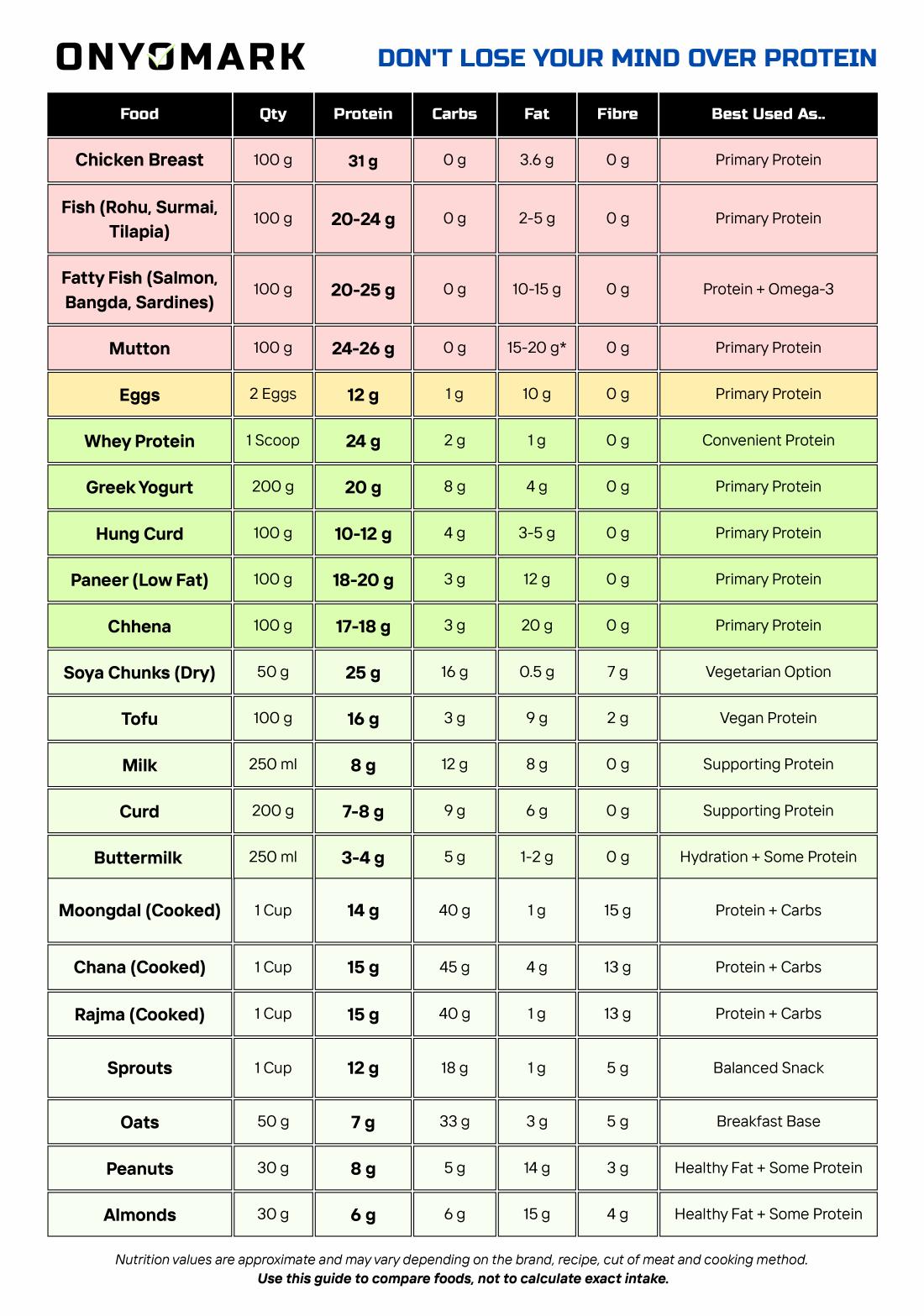
Don't Lose Your Mind Over Protein
How to make protein a daily habit without turning your entire diet upside down. A calm, evidence-based guide to eating enough protein for fat loss and muscle — one meal at a time.
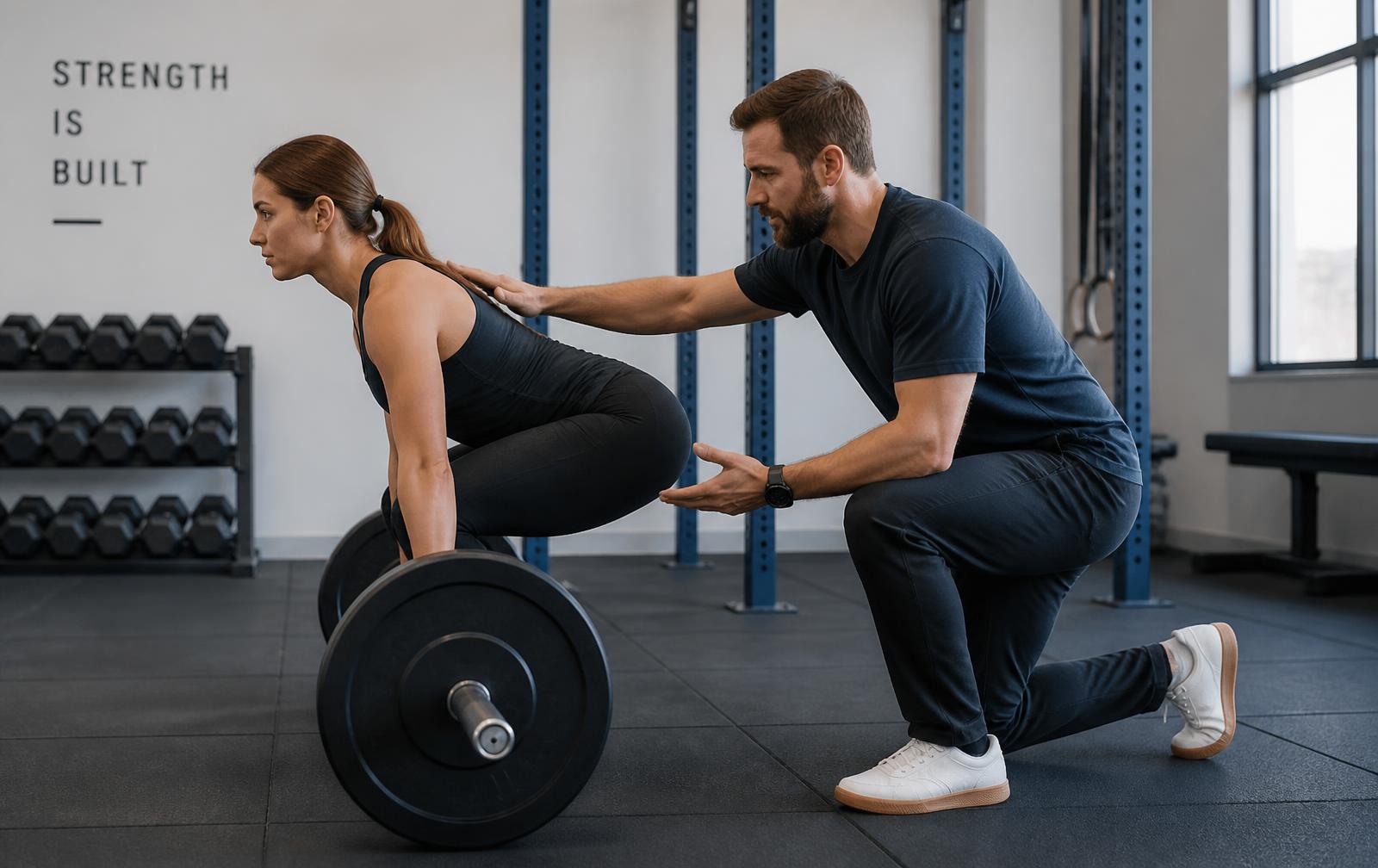
Move Better, Not Perfect: The Complete Guide to Exercise Technique
Why how you move matters more than how much you lift. An honest, evidence-based guide to exercise technique for beginners — without the fear, confusion or obsession with perfection.
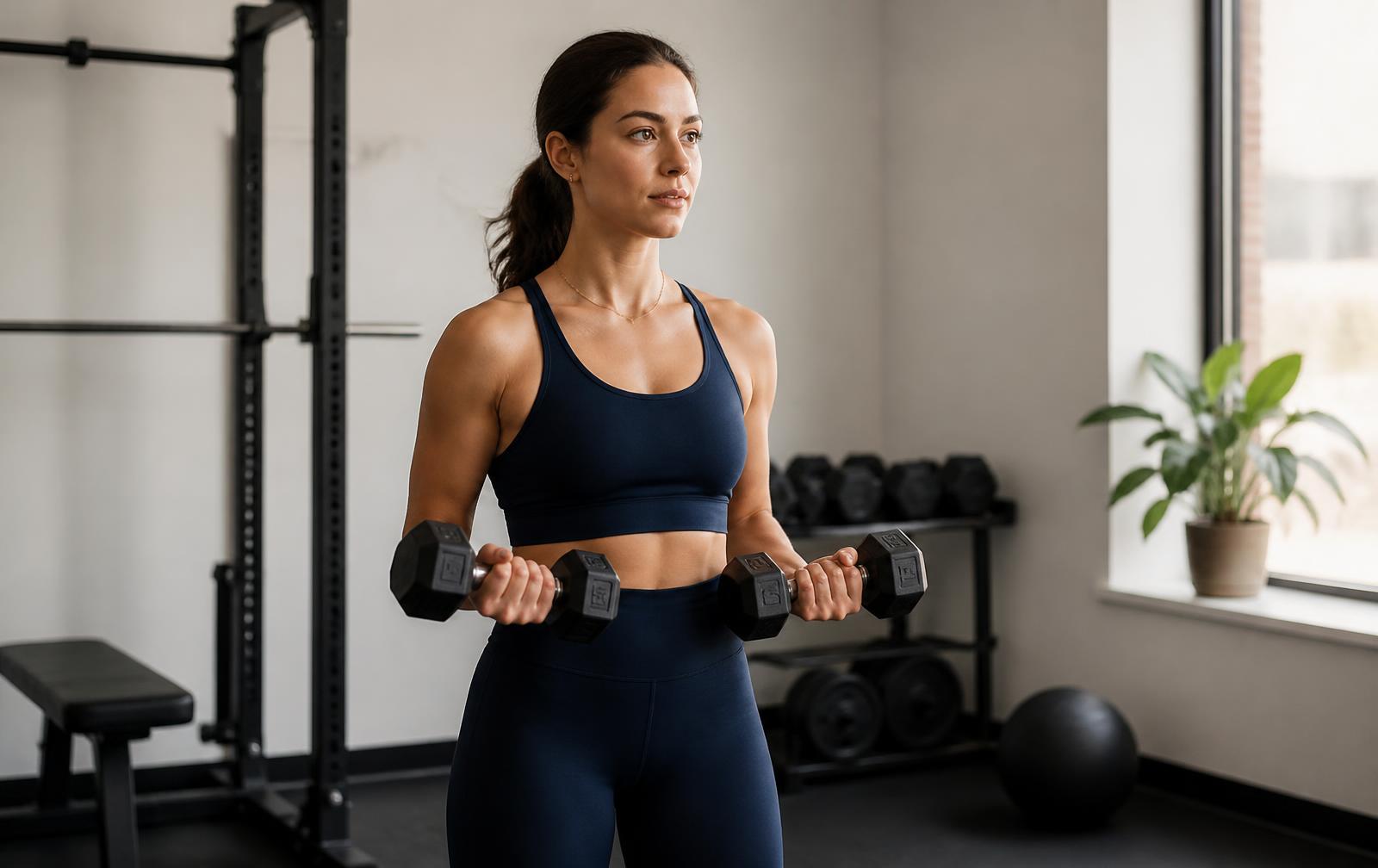
The Complete Beginner's Guide to Strength Training for Women
Strength isn't just about muscles — it's about living life with confidence. An honest, evidence-based beginner's guide to strength training for women, without myths, gimmicks or gym intimidation.